Well-being after stroke
Well-being is important for living well and flourishing after stroke. It needs to be explicitly and proactively addressed within stroke services. Yet we have heard many instances of this not happening - often with significant implications for the person with stroke and their whānau. We have also heard that healthcare professionals want to be able to provide more support for well-being but often do not feel that this is seen as a priority within their services. They described wanting practical strategies to enable them to feel more confident and competent in prioritising well-being.

by Unknown Author is licensed under CC BY-NC-ND
The resources below were developed as part of the project “Psychosocial well-being after stroke: A study of care practices and processes in Aotearoa New Zealand”. They are designed to support healthcare professionals, service leaders, educators and policy makers to integrate a focus on well-being into stroke care.
Resources based on our findings
This quality framework is intended to assist stroke services and healthcare professionals working in stroke care to consistently support the well-being of people and whānau impacted by stroke.
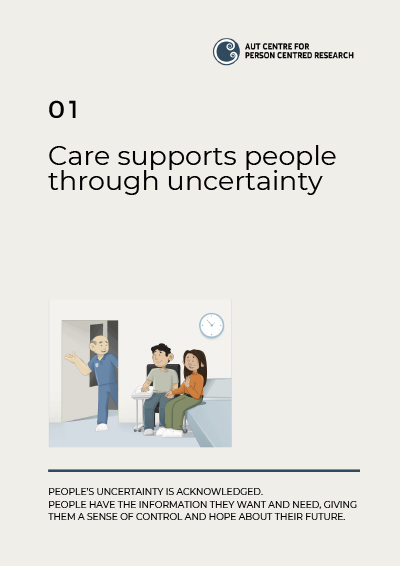
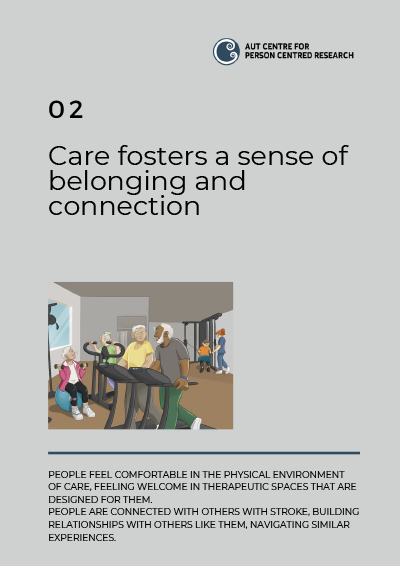
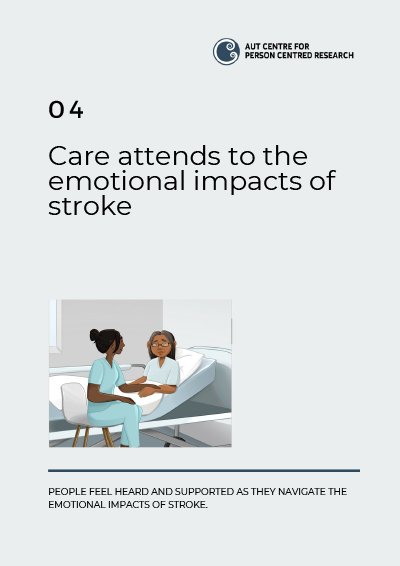
We explored key areas that were important for long-term well-being after stroke, and the influence of services on these. This resulted in the development of eight domains of quality care that support well-being after stroke. They are centred in the experiences of people and whānau impacted by stroke.
Each domain contains a description, with illustrative examples of care that supports well-being, and care that can be problematic. Specific approaches to care, questions to prompt reflection, and suggested actions are provided below as tools for healthcare professionals and stroke services to reflect on and strengthen current practice.


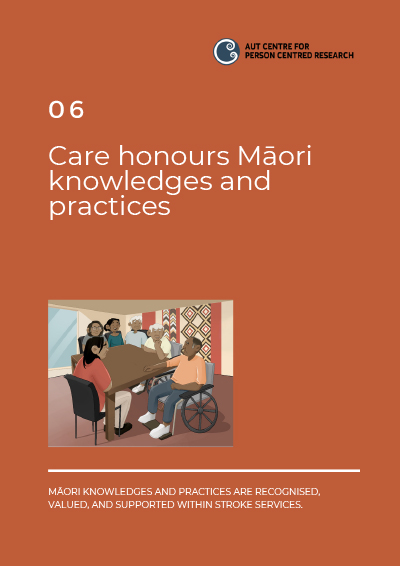
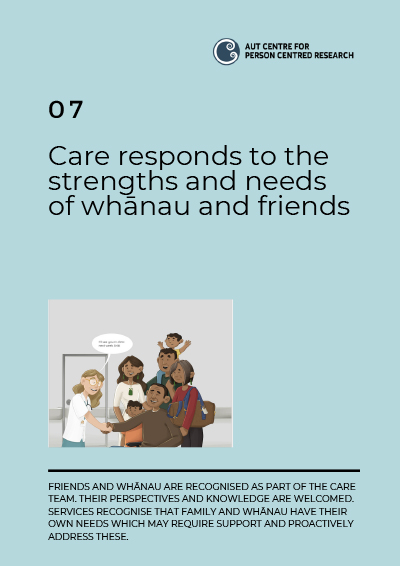
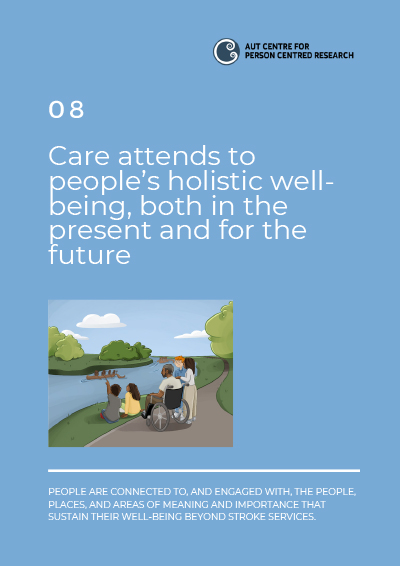
The following reflexive meeting tools are designed to assist stroke service leaders and healthcare professionals to reflect on their practice, and how it might influence the well-being of people and whānau impacted by stroke. These are designed to be used by teams, to identify how the service can improve how people’s well-being is support.
Reflexive meeting guide
This is designed to guide a facilitator through leading a reflexive meeting with healthcare staff, with a focus on one of the eight domains of quality care that support well-being after stroke.
Reflexive meeting PowerPoint presentation
This is used to structure the reflexive meeting.
Reflexive meeting printable resources
A selection of resources and activities to be shared with participants during the reflexive meeting.
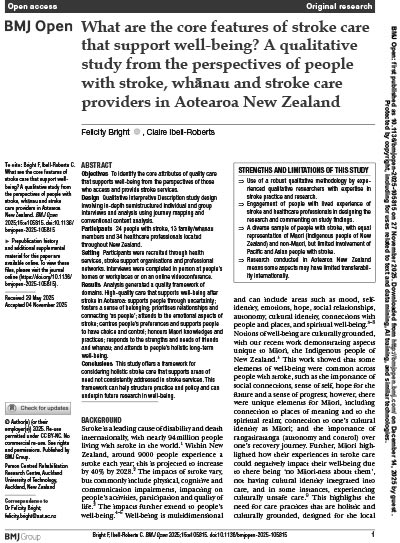
What are the core features of stroke care that support well-being? A qualitative study from the perspectives of people with stroke, whānau and stroke care providers in Aotearoa New Zealand. BMJ Open 2025;15:e105815. doi:10.1136/bmjopen-2025-105815
Psychosocial well-being after stroke
The resources on this page were developed as part of the project “Psychosocial well-being after stroke: A study of care practices and processes in Aotearoa New Zealand”. They are designed to support healthcare professionals, service leaders, educators and policy makers to integrate a focus on well-being into stroke care.